Why Antique Investing Works When Markets Don’t
Have you ever thought about buying old furniture, vintage art, or century-old ceramics—not for decoration, but as a smart investment? I didn’t either, until I saw how stable and rewarding antique collecting can be during economic downturns. Unlike stocks or crypto, antiques don’t flash prices every second, but their value grows quietly over time. In this piece, I’ll walk you through how to build wealth with timeless objects—focusing on real strategies for spotting winners, avoiding costly traps, and protecting your returns. While most investors chase quarterly earnings or digital tokens, a growing number are turning to physical history as a reliable store of value. This is not about nostalgia; it’s about strategy, patience, and the quiet power of scarcity in a world of excess.
The Hidden Power of Tangible Assets
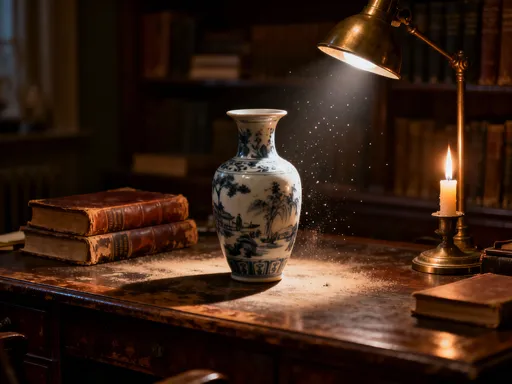
In an era dominated by digital transactions, algorithmic trading, and volatile cryptocurrencies, the appeal of tangible assets has never been stronger. Antiques—whether a hand-carved mahogany table, a Qing dynasty porcelain bowl, or a signed first edition—represent more than aesthetic charm. They are physical embodiments of history, craftsmanship, and cultural continuity. Unlike stocks or bonds, which derive value from corporate performance or interest rates, antiques gain worth through time itself. Their scarcity is not manufactured; it is inherent. No central bank can print another 17th-century Flemish tapestry, and no software update can replicate the patina of a century-old bronze clock. This fundamental difference gives antiques a unique advantage: they are immune to market crashes caused by speculative bubbles or liquidity crunches.
One of the most compelling reasons to consider antiques as part of a financial strategy is their low correlation with traditional markets. When equities plummet during a recession, antique values often remain stable or even rise. This was evident during the 2008 financial crisis, when high-quality European furniture and Asian ceramics saw steady demand from private collectors, even as stock portfolios shrank by 30% or more. The reason is simple: antiques are not priced by ticker symbols or analyst reports. Their value is determined by enduring factors—authenticity, rarity, and historical significance—rather than quarterly earnings or geopolitical headlines. As inflation erodes the purchasing power of currency, tangible assets like antiques often retain or increase their real value, acting as a natural hedge against monetary devaluation.
Moreover, antiques offer a form of ownership that is both personal and permanent. While digital assets can be hacked, deleted, or rendered obsolete, a well-preserved antique can last for generations. This permanence contributes to long-term wealth preservation. A family that acquires a valuable piece today can pass it down with confidence, knowing it carries not just financial worth but also a story. In this way, antiques function as both assets and heirlooms, blending financial utility with emotional resonance. For investors seeking stability amid uncertainty, the quiet resilience of tangible history offers a compelling alternative to the noise of modern finance.
How Antique Values Actually Grow
The appreciation of antique values is not arbitrary; it follows a clear set of principles rooted in supply and demand, historical context, and material integrity. Unlike speculative assets that rise on momentum, antiques grow in value because their supply is fixed and often diminishing, while global interest in cultural heritage continues to expand. The key drivers of value—provenance, rarity, condition, and historical importance—are measurable and verifiable, allowing informed investors to assess potential returns with greater confidence.
Provenance, or the documented history of ownership, is perhaps the most powerful factor in determining an antique’s worth. A painting once owned by a notable historical figure or exhibited in a major museum can command prices many times higher than an identical piece without such a record. For example, a Chinese export porcelain plate with no provenance might sell for a few hundred dollars, but the same plate traced to a 19th-century British aristocratic collection could fetch over $10,000 at auction. Similarly, furniture signed by a known craftsman or bearing original labels from a renowned workshop gains immediate credibility and value. These details serve as authenticity anchors, reducing buyer skepticism and increasing competitive bidding.
Rarity amplifies value in predictable ways. Items produced in limited numbers, or those that have survived in small quantities due to war, decay, or changing tastes, become increasingly scarce over time. A rare type of Art Deco glassware, for instance, might have had only a few dozen pieces made in the 1920s. As collectors seek completeness in their sets, demand for these rare items intensifies, pushing prices upward. Condition is equally critical. An antique in excellent, unrestored condition—especially one with original finishes, hardware, and materials—will always outperform a damaged or heavily restored counterpart. Restoration, while sometimes necessary, often reduces value unless done by a recognized expert and properly documented.
Historical significance adds another layer of depth. Objects associated with pivotal events, influential figures, or major artistic movements carry cultural weight that transcends aesthetics. A writing desk used by a prominent author, a military uniform from a decisive battle, or a scientific instrument from a groundbreaking discovery all possess narratives that enhance their desirability. These stories make the object more than a commodity; they transform it into a piece of living history. When combined, these factors—provenance, rarity, condition, and historical importance—create a framework for identifying antiques with strong long-term appreciation potential.
Spotting Gems in a Saturated Market
In today’s globalized market, finding undervalued antiques requires more than a keen eye—it demands strategy, research, and access to the right sources. With auction houses, online marketplaces, and antique fairs flooded with reproductions and overpriced items, the challenge is not just identifying quality but doing so before others recognize it. The most successful collectors often find opportunities in overlooked niches, regional specialties, or categories that have not yet entered the mainstream spotlight.
Estate sales remain one of the most fertile grounds for discovery. Families clearing out a loved one’s home may not recognize the value of certain items, especially if they lack familiarity with antiques. A seemingly ordinary wooden chest might turn out to be a 19th-century sea chest with original brass fittings, or a stack of old books could include a first edition worth thousands. Because estate sellers are often motivated by speed rather than profit, they may accept offers well below market value. Attending local estate auctions, particularly in areas with older homes and established families, increases the odds of encountering such finds.
Regional auctions also offer advantages. While major international auction houses attract global bidders and drive prices higher, smaller regional auctions often feature under-researched lots with minimal competition. A rural auction in New England, for example, might include early American folk art or Shaker furniture at prices far below their potential resale value. Similarly, European provincial auctions can yield overlooked pieces of continental furniture or religious artifacts that have not yet been cataloged in major databases. The key is to develop expertise in a specific category or region, allowing you to spot anomalies and inconsistencies that signal opportunity.
Private collections and closed networks provide another pathway. Some of the most valuable antiques never reach public markets, instead being traded among trusted collectors or sold through discreet dealer referrals. Building relationships with reputable antique dealers, curators, and appraisers can grant access to these off-market transactions. Additionally, focusing on less glamorous categories—such as scientific instruments, trade tools, or early educational materials—can uncover hidden gems. These items often lack the immediate visual appeal of fine art or luxury furniture but possess strong historical significance and growing collector interest, making them excellent long-term investments.
Risk Management: Avoiding Costly Mistakes
While antique investing offers stability, it is not without risks. The most significant threats include forgeries, damage, improper storage, and legal complications. Unlike regulated financial instruments, antiques are not standardized, and their authenticity must be verified through expert analysis. A single misjudgment can result in substantial financial loss, making risk management a critical component of any collecting strategy.
Authentication is the first line of defense. Reputable auction houses and dealers typically provide provenance research and expert verification, but independent confirmation is often wise. Consulting specialists in a particular field—such as Chinese ceramics, Victorian silver, or Renaissance manuscripts—can prevent costly errors. Scientific methods like thermoluminescence testing for ceramics or pigment analysis for paintings offer objective evidence of age and origin. While these services come at a cost, they are a necessary investment when acquiring high-value items.
Condition assessment is equally important. Surface-level appearances can be misleading; a piece may look pristine but have structural weaknesses, insect damage, or previous restoration that diminishes its value. Professional conservators can evaluate an item’s integrity and recommend appropriate care. Once acquired, proper storage is essential. Antiques are sensitive to temperature, humidity, light, and physical handling. Wooden furniture can warp in dry conditions, textiles can fade under UV exposure, and metals can corrode in high humidity. Climate-controlled storage, acid-free packaging, and careful placement away from direct sunlight help preserve both condition and value.
Insurance is a non-negotiable safeguard. A comprehensive fine art and antiques insurance policy covers theft, damage, and accidental loss, often including transit and exhibition risks. Policies should be reviewed annually and adjusted as values change. Additionally, collectors must be aware of legal restrictions, particularly when dealing with international acquisitions. Some countries impose strict export controls on cultural artifacts, and importing certain items without proper documentation can lead to seizure or fines. Ensuring compliance with CITES regulations (for materials like ivory or tortoiseshell) and national heritage laws protects both the collector and the integrity of the market.
Building a Diversified Collection Strategy
Just as financial advisors recommend diversifying stock portfolios to manage risk, prudent antique investors spread their holdings across categories, periods, and regions. A well-structured collection balances high-growth potential items with stable, blue-chip classics, reducing exposure to market fluctuations in any single niche. This approach emphasizes long-term growth over quick profits, aligning with the slow but steady appreciation typical of the antique market.
One effective strategy is to allocate funds across different types of antiques based on risk profile and personal expertise. High-growth categories might include emerging markets like mid-century design, vintage scientific equipment, or non-Western art forms gaining global recognition. These areas often offer lower entry prices and higher appreciation potential as collector interest grows. In contrast, blue-chip investments—such as Qing dynasty porcelain, European Old Master paintings, or 18th-century English furniture—tend to hold value reliably and attract deep-pocketed buyers, making them ideal for wealth preservation.
Diversification also involves geographic and cultural breadth. While Western antiques dominate major auction houses, Asian, African, and Latin American artifacts are increasingly sought after by international collectors. A Japanese Edo-period screen, a pre-Columbian textile, or a 19th-century Moroccan chest can provide exposure to different market dynamics and cultural trends. This global perspective not only spreads risk but also enriches the collection’s narrative depth.
Personal interest and knowledge play a crucial role in sustainable collecting. Investors who focus on areas they genuinely understand—whether it’s American quilts, French clocks, or Islamic manuscripts—are more likely to make informed decisions and avoid emotional purchases. Expertise allows for better spotting of undervalued items and more accurate assessment of authenticity. Over time, this knowledge becomes a competitive advantage, enabling the collector to build a portfolio that reflects both financial wisdom and personal passion.
When and How to Sell for Maximum Return
Knowing when to sell is as important as knowing what to buy. The antique market operates in cycles influenced by economic conditions, collector trends, and auction timing. Selling at the right moment can significantly enhance returns, while rushing into a sale during a downturn may result in missed opportunities. Strategic exit planning ensures that disposals are deliberate, well-timed, and financially optimized.
Auction houses remain the most common venue for selling high-value antiques, offering global exposure and competitive bidding. Major firms like Sotheby’s, Christie’s, and Bonhams attract serious buyers and often achieve record prices for exceptional pieces. However, consignment fees can range from 15% to 30%, and there is no guarantee of sale. To maximize results, it’s essential to choose the right auction—timing it with themed sales (e.g., “Asian Art Week” or “Decorative Arts”) where competition is strongest. Pre-auction estimates and marketing efforts also influence final prices, so working with a knowledgeable representative is crucial.
Private sales offer an alternative, particularly for rare or sensitive items. Selling directly to a museum, collector, or dealer can yield faster transactions and lower fees, though it may require negotiation and trust-building. Private networks often allow for discreet sales, avoiding public price records that could affect future valuations. In some cases, a private sale can command a premium if the buyer has a specific need or emotional connection to the item.
Tax considerations must also be factored into the selling decision. In many jurisdictions, profits from antique sales are subject to capital gains tax, though some countries offer exemptions for long-held items or cultural heritage assets. Consulting a tax advisor before selling ensures compliance and helps structure the transaction efficiently. Additionally, keeping detailed records of purchase price, appraisal reports, and restoration history supports accurate cost basis calculation and strengthens credibility with tax authorities.
Beyond Profit: The Lasting Value of Antique Investing
While financial returns are a compelling reason to invest in antiques, the true value extends far beyond monetary gain. Collecting connects individuals to history, craftsmanship, and cultural continuity in a way few other investments can. Each piece tells a story—not just of its origin and journey, but of the people who made it, used it, and preserved it. This narrative depth enriches the owner’s life, fostering a deeper appreciation for human creativity and resilience.
Antique investing also offers a rare opportunity to build a legacy. Unlike digital assets or paper securities, physical antiques can be handed down through generations, carrying with them memories, traditions, and a sense of identity. A dining table where family meals have been shared for decades, a clock that marked generations of mornings, or a book passed from parent to child becomes more than an object—it becomes a vessel of continuity in an age of transience.
Moreover, collecting cultivates patience, discernment, and lifelong learning. It encourages research, travel, and engagement with experts and fellow enthusiasts. The process of acquiring, preserving, and understanding antiques fosters personal growth and intellectual curiosity. In a world increasingly defined by speed and disposability, the act of caring for something old and enduring becomes a quiet act of resistance—a commitment to quality, authenticity, and meaning.
Ultimately, antique investing is not just about growing wealth. It is about preserving what matters—beauty, history, and human connection—across time. For those willing to look beyond quarterly returns and embrace the slow, steady rhythm of enduring value, antiques offer a rare combination of financial stability and lasting significance.