Cut my kid’s screen time by half in one summer: The simple app switch that changed everything
Remember those long summer days when your child seemed glued to their tablet? I did—until I found a smarter way to manage screen time without constant battles. It wasn’t about taking devices away, but using one simple tool that brought balance back to our home. No tech jargon, no strict rules—just real results. If you’ve ever felt overwhelmed by your child’s screen habits, this is for you. I’m not a tech expert, just a mom who wanted peace in the house and more real moments with her child. What I discovered changed not only our summer but the rhythm of our everyday life.
The Summer Screen Struggle: When Fun Turns into Overload
Let’s be honest—summer is supposed to be magical. I imagined my child running through the sprinklers, building forts in the backyard, maybe even reading under a tree with a popsicle in hand. But reality looked very different. Instead of sunshine and laughter, I kept walking into rooms lit only by the glow of a tablet. My son would sit curled up on the couch, eyes fixed on animated adventures, snacks half-eaten beside him, completely tuned out from the world around him.
At first, I told myself it was fine. It’s summer, after all. Kids need downtime. But when I started noticing six hours a day disappearing into videos, games, and endless scrolling, I knew something was off. This wasn’t relaxation—it was overstimulation. And it wasn’t just him. I felt drained too, constantly negotiating, setting limits, and then backing them up with arguments that left us both frustrated. I wasn’t parenting; I was refereeing a silent war between my child and his screen.
What made it worse was how powerless I felt. I’d say, “Just 30 more minutes,” only to find him still on the device an hour later. The rules we tried to set? Forgotten. The promises to go outside? Replaced with, “In a minute.” I began to wonder—was I the only one struggling with this? Then I talked to other moms at the park, in school pickup lines, even during yoga class. The answer was clear: no. So many of us were facing the same thing. And yet, we all felt alone in it.
The truth is, screens aren’t the enemy. They’re tools—great for learning, creativity, and connection when used well. But without boundaries, they take over. And in the unstructured days of summer, when routines fade and boredom creeps in, it’s so easy for screens to become the go-to solution. I realized I wasn’t just dealing with a tech problem. I was dealing with a rhythm problem. Our days had lost their shape, and the tablet had quietly stepped in to fill the gap.
Why Seasonal Shifts Affect Digital Habits More Than We Think
It wasn’t until I started paying attention to the patterns that I understood how deeply summer changes our kids’ digital behavior. During the school year, life runs on a schedule. Wake up, get dressed, school, homework, dinner, bedtime. There’s structure, even if it’s chaotic. But when school ends, that structure vanishes. Suddenly, there’s no natural rhythm to the day. No bells, no assignments, no recess to look forward to. And in that open space, screens become the easiest form of entertainment.
I began to notice how early the screen use started. Before breakfast. Before brushing teeth. My son would grab the tablet the moment he woke up, scrolling through videos like it was second nature. At first, I thought he was just excited. But then I realized—he didn’t know what else to do. Without the external structure of school, he was filling time with what was available and instantly rewarding. And let’s face it—videos and games are designed to be addictive. They’re bright, fast, and endlessly engaging. Why would a kid choose boredom when excitement is just a tap away?
Another factor was social isolation. During the school year, my son was constantly interacting—with friends, teachers, coaches. But in summer, those connections thin out. Playdates aren’t daily, and camps come and go. That lack of regular social stimulation made screens even more appealing. They offered a sense of connection, even if it wasn’t real. Watching other kids play games or share challenges on video platforms gave him a feeling of belonging, even if he was sitting alone.
And then there’s the heat. In my part of the country, summer days can be sweltering. Going outside often means dealing with humidity, bugs, and sunburn. Screens, on the other hand, are cool, quiet, and comfortable. It’s no wonder kids retreat to them. I wasn’t angry at my son for choosing the tablet—I was frustrated with the lack of alternatives that felt just as easy and enjoyable.
Once I stopped seeing this as a behavior problem and started seeing it as a structural one, everything shifted. I wasn’t dealing with defiance. I was dealing with a gap in routine, connection, and comfort. And that realization freed me to look for solutions that weren’t about punishment—but about support.
The One Small Change That Made a Big Difference
I tried everything. Timers. Charts. Verbal reminders. Even the occasional dramatic “I’m taking that device away!” moment (which always ended in tears). Nothing stuck. The timers got ignored. The charts lost their sparkle after two days. And my voice? I was tired of hearing it say, “Time to turn it off,” only to be met with pleading eyes and broken promises.
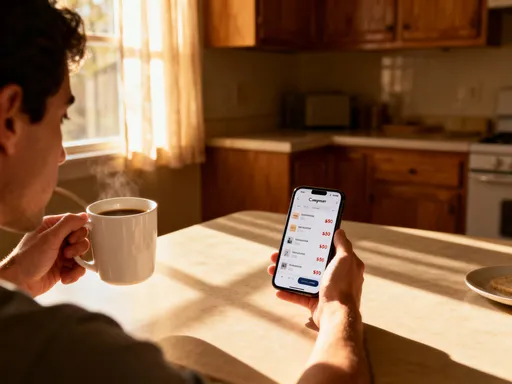
Then, a friend mentioned a family digital wellbeing app she’d started using. I’ll admit—I was skeptical. Another app? Wasn’t that just adding more tech to the problem? But she explained how it worked: not by locking devices or creating conflict, but by gently guiding usage. It set daily limits, sent friendly alerts, and even had a wind-down mode that dimmed the screen and turned off notifications at bedtime. Most importantly, it didn’t make me the villain.
I downloaded it that night. Set up a simple profile for my son. Chose a three-hour daily limit—less than half of what he was used to, but not so strict that it felt impossible. I turned on the wind-down feature for 8 PM, and I set up a “family time” block from 6 to 7:30 PM when devices would go into focus mode.
The next morning, when my son opened his tablet, a soft message appeared: “You have 3 hours of screen time today. Use it wisely!” No alarm. No red screen. Just a calm, clear reminder. When he reached the final 30 minutes, another message popped up: “Time to start winding down. What would you like to do next?” He could choose to keep watching, but only for a short while. And when the time was up, the screen gently faded to a thank-you message.
Here’s what surprised me: he didn’t fight it. He wasn’t happy, of course. But he didn’t scream or cry. Instead, he asked, “Can I save some time for later?” And I said yes—the app allowed flexibility within the daily limit. That small sense of control made all the difference. He wasn’t being shut down. He was being guided.
Within two weeks, his average screen time dropped to under three hours. Not because I shouted more. Not because I took the tablet away. But because the app created a system that worked quietly in the background, reducing the need for constant parental enforcement. And that? That gave me my energy back.
How Technology Can Support Parenting, Not Replace It
I’ll be honest—I used to think using an app to manage screen time was like cheating. Wasn’t parenting supposed to be about connection, not control panels? Didn’t I want to teach my child self-discipline, not outsource it to software?
But here’s what I’ve learned: technology doesn’t replace parenting. It supports it. The app didn’t make decisions for me. I set the boundaries. I chose the times. I decided what balance looked like for our family. The app just helped me hold the line—without me having to be the one saying “no” every five minutes.
And that changed everything. Instead of spending my afternoons policing the tablet, I could actually be present. I played card games. I baked cookies. I sat on the porch and listened to my son tell me about his favorite characters and imaginary worlds. I wasn’t watching the clock, waiting for screen time to end. I was in the moment—because the app was doing the heavy lifting.
That shift in energy was real. When I stopped being the screen police, I became the fun mom again. The one who said yes to dance parties and silly jokes. The one who had patience for spilled juice and messy art projects. I had more emotional bandwidth because I wasn’t constantly drained by battles over technology.
And here’s something I didn’t expect—my son started trusting the system. He knew the rules weren’t arbitrary. He could see his time, plan his choices, and feel in control. When he finished a video early, he’d sometimes say, “I’ll save the rest for after dinner.” That kind of self-awareness didn’t come from me yelling. It came from consistency, clarity, and a tool that made limits feel fair.
Technology, when used wisely, doesn’t disconnect us. It can actually help us reconnect. It gave me space to be the parent I wanted to be—not the enforcer, but the guide.
Building New Routines That Last Beyond Summer
Once screen time decreased, we had to figure out what to do with all that extra time. At first, it was awkward. My son would look up from the now-silent tablet and say, “I’m bored.” And instead of handing him a device, I’d say, “Great! Boredom leads to creativity. What do you feel like doing?”
Some days, nothing happened. He’d wander around, sigh dramatically, and eventually fall asleep on the couch. But other days? Magic. We built a cardboard fort in the living room. We painted rocks and hid them in the garden. We started a “family recipe night” where he helped me cook simple meals. None of these things were elaborate. But they were ours. And they created memories that screens never could.
The key wasn’t perfection. It was consistency. I didn’t plan a full schedule. I just made small replacements. Instead of watching a show during breakfast, we listened to music and danced. Instead of afternoon scrolling, we took short walks around the block. I kept a basket of activity cards—draw a comic, write a story, build with LEGOs—so when boredom struck, we had ideas ready.
And slowly, the rhythm of our days changed. Mornings started with connection, not screens. Evenings ended with calm, not chaos. The app didn’t disappear—it became part of our routine, like brushing teeth or setting the table. But the real change was internal. My son began to crave those shared moments. He’d suggest baking or ask to play a board game. The habits we built in summer didn’t end when school started. They carried over.
Now, during the school week, screen time is balanced. Homework comes first. Then a limited window for fun. Weekends are more flexible, but the structure remains. And the best part? He rarely asks for “just five more minutes” anymore. Because he knows the system is fair. And because he’s discovered that life off-screen can be just as rewarding.
Real Talk: What Worked, What Didn’t, and What I’d Do Differently
Let’s keep it real—not every tool I tried worked. I downloaded three other apps before finding the one that stuck. One was too strict—it locked the device the second time was up, no exceptions. That led to meltdowns and resentment. Another was too complicated, with settings that felt like programming a spaceship. I gave up after two days.
The one that worked was simple. It had a clear dashboard, visual timers, and allowed some flexibility. Most importantly, it gave my son a voice. He could see his time, choose when to use it, and even request extra minutes for special projects—like building a digital story or researching animals for a school report. That sense of agency made him a partner in the process, not a prisoner of the rules.
I also learned that explaining the “why” matters. At first, I just said, “We’re using this app now.” But when I started talking about how too much screen time can make it harder to focus, affect sleep, and take away from fun in real life, he listened. I didn’t lecture. I just shared, in kid-friendly terms, how balance helps our brains and hearts feel better.
If I could go back, I’d start earlier. Not just in summer, but during the school year, to build the habit before vacation hit. I’d also involve my child more in setting the rules. Letting him choose the wind-down time or pick the daily limit (within my boundaries) would have made the transition even smoother.
And I’d remind myself that progress isn’t linear. Some days, we’d stick to the plan. Others, we’d have movie nights or let him watch a longer video because he’d had a tough day. That’s okay. The goal wasn’t perfection. It was awareness. It was creating a home where screens serve us, not rule us.
Peace of Mind Starts with Small, Smart Choices
Today, our home feels different. Calmer. More connected. There are still screens—of course there are. My son watches videos, plays games, and uses his tablet for school projects. But now, it’s on our terms. The devices are tools, not distractions. They’re part of life, not the center of it.
That one app didn’t fix everything. But it gave us a starting point. It created a structure that reduced conflict, built trust, and opened space for what really matters—time together. I’m not saying we never have tough moments. But the constant tension around screen time? It’s gone.
What I’ve learned is that small, smart choices can lead to big shifts. I didn’t need a complete tech overhaul. I didn’t need to become a digital minimalist. I just needed one tool that helped me support my parenting in a way that felt kind, consistent, and sustainable.
If you’re feeling overwhelmed by your child’s screen use, I want you to know—you’re not failing. You’re not alone. And you don’t have to do it all on your own. Sometimes, the most powerful change comes not from taking something away, but from adding one simple thing that brings balance back. That app didn’t just cut screen time. It gave us back our summer. And it gave me back my joy in being a mom.