Tired of Missing the Moment When Friends Gather? How Smart Assistants Help You Stay Present
Life moves fast, especially when friends come over. Between remembering who’s bringing what, adjusting the music, and catching up on stories, it’s easy to feel distracted. You want to be fully there—but something always pulls you away. What if your home could help you focus less on tasks and more on connection? That’s where smart life assistants quietly transform gatherings from stressful to seamless. They don’t take over your role as host—they simply step in where you need a little extra support, so you can laugh longer, listen more deeply, and savor every moment without the mental load of managing everything behind the scenes.
The Joy and Chaos of Gathering Friends at Home
There’s something deeply comforting about gathering friends in your own space. The warmth of familiar voices filling the air, the clink of glasses, the way someone always tells that one story a little differently each time—it’s these moments that stitch together the fabric of friendship. When we open our homes, we’re not just offering a place to sit; we’re inviting people into a shared experience, a pause in the rush of everyday life. And for many of us, especially women juggling family, work, and personal time, hosting is an act of love. It’s how we show care, how we stay connected, how we create memories that last.
But let’s be honest—behind that warmth is a quiet undercurrent of stress. You’ve spent time cleaning, maybe even rearranged the furniture. You’ve checked the snacks three times, made sure there’s something for everyone, and texted your friend to confirm if they’re bringing the dip. Then someone arrives early, and you’re still in the kitchen, trying to find the right playlist, answer the door with a smile, and remember where you left the wine opener—all while pretending you’ve got it all under control. It’s in those moments that you realize: hosting isn’t just about being generous. It’s about managing a dozen tiny tasks at once, and it can pull you right out of the joy you’re trying to create.
Have you ever noticed how, when you’re the host, you end up seeing the evening through a series of small crises? The lights are too bright. The music doesn’t match the mood. You promised to call your sister before dinner, but now you can’t remember if you did. And just when everyone starts laughing at a story, you’re the one who has to jump up because the oven timer went off. These aren’t huge problems, but they add up. They fragment your attention, and before you know it, the night is over, and you’re left wondering, Did I really get to enjoy this? Did I even get to be part of it?
That’s the paradox of modern hosting: we want to be fully present, but the logistics of making everyone comfortable often push us into the background. We’re so busy taking care of others that we forget to take care of our own experience. And over time, that can make us hesitate to invite people over. We start thinking, Maybe next time. Maybe when things are easier. But what if they could be easier? What if your home could help you stay in the moment instead of pulling you out of it?
Meet Your Invisible Guest: The Smart Assistant as a Silent Host Helper
Imagine having a guest who shows up exactly when needed, never overstays their welcome, and always knows how to help—without making a fuss. That’s what a smart assistant can be. Whether it’s Alexa, Google Assistant, or Siri, these tools aren’t about flashy tech or complicated setups. They’re about having a quiet partner in your home who handles the little things so you don’t have to. And the best part? You don’t need to touch anything. A simple voice command is all it takes to shift the mood, check a reminder, or start the music.
Think about how often you leave a conversation to adjust something in your home. You’re in the middle of laughing at a story, and suddenly you remember the lights are still too bright for evening. So you excuse yourself, walk to the switch, fumble with the dimmer, and by the time you get back, the moment has passed. But with a smart assistant, you can say, “Hey Google, set the living room lights to 50%,” and stay right where you are. No break in the flow. No missed punchline. Just a smoother, more natural evening.
These assistants work best when they’re integrated into your daily rhythm, not when they feel like a performance. You don’t need to announce, “Now I’m using technology!” You just live your life, and the assistant supports you in the background. It’s like having a second pair of hands that only appear when you need them. And because they respond to your voice, they’re accessible even when your hands are full—holding a tray, stirring a pot, or hugging a friend who just walked in.
What makes this different from just using your phone? Touchscreens require attention. You have to unlock, navigate, tap, and confirm. But voice is instant. It’s human. You speak, and the home listens. That small difference changes everything. It means you can stay engaged in the room, in the conversation, in the feeling of being together. The assistant doesn’t replace you—it makes space for you to be more fully yourself. And over time, that adds up to a deeper, more relaxed way of hosting.
From Playlist Panic to Perfect Mood: Music That Understands the Vibe
Music sets the tone for any gathering. It can make a room feel cozy or energetic, intimate or festive. But choosing the right playlist? That’s often a source of quiet anxiety. Start too upbeat, and it feels like a party before anyone’s ready. Go too mellow, and the energy flatlines. And if you’re like most of us, you’ve probably cycled through three different playlists in one night, trying to get it just right. The problem isn’t that we don’t know what we want—it’s that we’re too busy hosting to keep adjusting.
Smart assistants change that by making music intuitive. Instead of scrolling through your phone, you can say, “Alexa, play something relaxing but not sleepy,” or “Hey Google, play acoustic songs from the 2000s.” These systems learn from your preferences over time, so the more you use them, the better they get at guessing what fits the moment. They can even suggest playlists based on the time of day or the number of people in the room. Imagine walking into your living room at 7 p.m. with friends already chatting, and the assistant quietly starts a “Friday Night Vibes” playlist—just the right mix of familiar tunes and gentle rhythms to keep the mood warm without overwhelming the conversation.
And it’s not just about starting music. It’s about keeping it seamless. With multi-room audio, you can play the same song throughout the house, so whether someone’s in the kitchen, dining room, or backyard, the sound feels connected. You can adjust the volume from anywhere—“Siri, turn it down a little”—without having to find your phone or walk to the speaker. No more yelling over a sudden drum solo or apologizing because the music died mid-song.
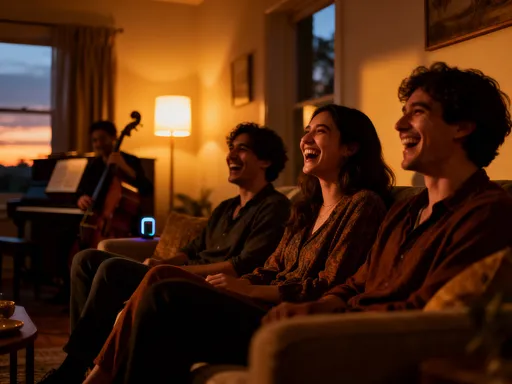
There’s an emotional side to this, too. When the music feels “just right,” people relax. They lean in. They talk more freely. Awkward silences don’t feel awkward—they feel like natural pauses in a good conversation. Music becomes a bridge, not a distraction. And when you’re not worrying about it, you’re free to notice those subtle shifts: the way your friend smiles at a certain lyric, or how the room gets quieter when someone shares something personal. The assistant isn’t creating the connection—but it’s helping remove the friction that can get in the way.
Lighting the Way to Comfort: Setting the Scene Without Lifting a Finger
Lighting is one of the most powerful but overlooked tools in creating a welcoming atmosphere. Think about the difference between a brightly lit kitchen during the day and that same space at night, softened by table lamps and candles. The room is the same, but the feeling is completely different. During gatherings, lighting can make people feel alert or relaxed, exposed or safe. And yet, how many times have you hosted a dinner only to realize halfway through that the overhead lights are too harsh, making everyone look tired or washed out?
Smart lighting, controlled by your assistant, lets you shift the mood with a simple command. As the sun goes down, you can say, “Hey Google, set the mood for dinner,” and the lights automatically dim to a warm, inviting glow. You can even name your favorite settings—“Cozy Mode,” “Game Night,” “Quiet Evening”—so you don’t have to remember specific brightness levels or color temperatures. It’s not about perfection; it’s about creating a space where people feel comfortable enough to stay a little longer.
One of the most powerful features is automation. You can set routines that trigger at certain times or under certain conditions. For example, “When I say ‘dinner is ready,’ turn on the dining room lights to 60% and turn off the kitchen overheads.” Or, “At 8 p.m., dim all lights by 30% unless motion is detected.” These small adjustments happen without you lifting a finger, so you’re not constantly getting up to tweak things. And because the changes are gradual, they feel natural—like the home is breathing with the rhythm of the evening.
There’s also a psychological comfort in knowing you’re not stuck with one setting. If the conversation turns deep and quiet, you can whisper, “Alexa, make it even softer,” and the room responds. If someone suggests a board game, you can brighten the table area without disrupting the flow. This level of control isn’t about luxury—it’s about care. It shows your guests, without words, that you’ve thought about their comfort. And it shows yourself that you deserve to enjoy the space you’ve created, not just manage it.
Never Forget a Detail Again: Shared Reminders and Group Coordination
Planning a gathering often starts days—or weeks—in advance. Who’s bringing dessert? Did you remember to buy candles for the birthday cake? Is the birthday girl allergic to nuts? These details matter, but keeping track of them in your head is exhausting. And let’s be real: no one wants to be the host who sends five group texts the day before, asking the same questions over and over. It’s not just annoying—it can make you feel disorganized, even if you’re doing your best.
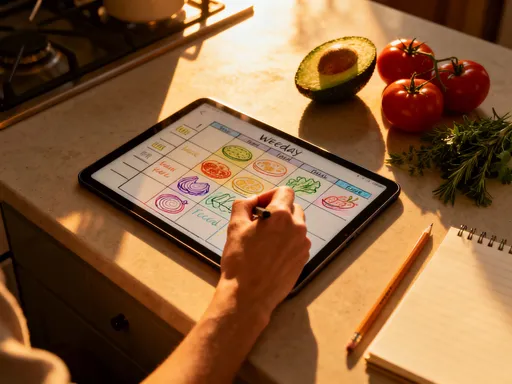
This is where smart assistants shine as organizers. You can create shared lists that everyone can access. Before your next brunch, you might say, “Hey Siri, create a brunch shopping list,” and then invite your friends to view or edit it. Someone adds “avocado,” another says “gluten-free bread,” and you mark things off as you shop. No more double-buying, no more forgotten items. And because the list lives in the cloud, you can check it from your phone, your tablet, or even ask your assistant aloud: “What’s left on the brunch list?”
Reminders work the same way. You can set personal or shared alerts: “Remind me to defrost the salmon two hours before dinner,” or “Remind the group to bring their favorite wine at 4 p.m. today.” Some assistants can even send these as messages to your contacts, so everyone gets a nudge without you having to follow up. It’s not about being pushy—it’s about making coordination feel effortless.
And let’s not forget birthdays. How many times have you meant to call a friend but got caught up in the week and missed their special day? With a smart assistant, you can say, “Remind me to call Maria the day before her birthday every year,” and it will. You can even link it to your calendar so it knows when events are coming up. These small systems don’t make you a better friend—they just help you show up as the friend you already are.
The real benefit isn’t just convenience. It’s peace of mind. When you know the details are handled, you stop carrying that low-level anxiety in the back of your mind. You’re not scanning the room for what’s missing. You’re not distracted by mental to-do lists. You’re free to focus on what really matters: the people in front of you.
Cooking with Confidence: Voice-Guided Recipes and Timers That Listen
The kitchen is often the heart of a gathering, but it can also be the place where the host disappears. You’re in the middle of a great conversation, someone’s telling a hilarious story, and then—oh no, the risotto. You have to run back, stir, check the recipe, and realize you don’t remember if you added the wine. Your hands are covered in flour, so you can’t touch your phone. You try to wipe them on a towel, but now you’ve smudged the screen. It’s messy, stressful, and it pulls you out of the moment at the worst possible time.
Smart assistants make cooking during gatherings much smoother. With voice-guided recipes, you can say, “Hey Google, how do I make garlic butter?” and get step-by-step instructions without touching a screen. You can ask for conversions—“What’s half a cup in tablespoons?”—or set multiple timers: “Set a timer for 15 minutes for the cookies and 25 minutes for the casserole.” The assistant keeps track, and when time’s up, it lets you know—“Your cookies are ready to check.”
This isn’t just about convenience. It’s about safety and confidence. You’re not guessing, you’re not rushing, and you’re not burning something because you lost track. And because you can stay engaged in the kitchen conversation, you don’t feel isolated. Your friend can keep telling their story while you stir the sauce, and you can laugh together without missing a beat.
Many assistants can also pull recipes from your favorite websites or apps. If you love a particular blog or cooking channel, you can link it and say, “Alexa, start the recipe for roasted vegetables from Minimalist Baker.” It reads each step aloud, waits for you to say “next,” and even adjusts for serving sizes. It’s like having a patient cooking coach by your side—one who never judges, never rushes, and always remembers the details.
Over time, this changes how you feel about hosting. You’re less afraid of trying new dishes. You’re more willing to say yes to cooking for others. And you start to see the kitchen not as a place of stress, but as a place of connection. Because now, you can be in it—and part of the moment—without being overwhelmed by it.
Growing Together: How Smarter Gatherings Build Stronger Bonds
The best friendships aren’t built in big moments. They grow in the small, repeated acts of showing up—of sharing meals, laughing over mistakes, and being there through quiet evenings and loud celebrations. And every time you host, you’re adding another thread to that bond. But if hosting always feels stressful, you might do it less often. You might start saying no, or suggesting restaurants instead. And while those are nice, they don’t create the same depth of connection.
Smart assistants help you host more, not because they make you lazy, but because they make it sustainable. When the little things are easier, you have more energy for the big things—like listening, sharing, and being present. You become a more relaxed host, and that calm radiates through the room. Your guests feel it. They stay longer. They open up more. And over time, those evenings become traditions—something everyone looks forward to, not something you dread planning.
There’s also a personal growth aspect. As you lean on your assistant for logistics, you might notice how much mental space you’ve been carrying. How many decisions you’ve been making on your own. And as that load lightens, you start to enjoy hosting in a new way. You’re not performing. You’re being. You’re not managing. You’re connecting. And that shift isn’t just good for your friendships—it’s good for you. It reminds you that care doesn’t have to be exhausting. That love can be light, joyful, and shared.
Technology, when used with intention, doesn’t replace human warmth. It protects it. It gives you back the time and attention to offer your best self. And in a world that often feels rushed and disconnected, that’s a gift—not just to your friends, but to yourself.
Let Technology Handle the Little Things—So You Can Hold Onto the Big Ones
At the end of a great evening, when the last guest has left and you’re standing in the quiet of your home, you might catch yourself smiling. Not because everything was perfect—but because it felt real. Because you laughed until your stomach hurt. Because someone shared something they’ve been holding in for weeks. Because, for a few hours, the world outside faded away, and all that mattered was the warmth in the room.
Those moments don’t happen by accident. They happen because someone chose to create space for them. And if that someone is you, then you deserve to be in them fully. You don’t have to remember every detail, adjust every setting, or manage every task. You can let your home help. You can speak a simple command and stay in the conversation. You can trust that the music will match the mood, the lights will set the tone, and the oven will remind you when dinner is ready.
Being present isn’t about doing everything yourself. It’s about letting go of what doesn’t matter so you can embrace what does. And in a world that asks so much of us, that’s not just a luxury—it’s a necessity. So the next time you invite friends over, don’t see it as a performance. See it as a shared experience, made easier, warmer, and more joyful—because you’ve allowed yourself a little help. Let the smart assistant handle the little things. You hold onto the big ones.