Tired of family photos feeling stiff and awkward? This simple trick made ours come alive
Taking pictures with the kids used to end in tantrums, blurry faces, and everyone looking anywhere but the camera. I’d spend hours editing, only to get forced smiles and red eyes. But when I stopped chasing perfection and started using photo apps *with* my kids instead of just *for* them, everything changed. Now, our photo time is playful, connected, and actually fun. Let me show you how a few thoughtful tweaks can turn frustrating snapshots into joyful memories — and bring your family closer in the process.
The Smile That Never Comes: When Family Photos Feel Like a Chore
How many times have you called out “Say cheese!” only to be met with squinting eyes, turned heads, or someone dramatically sticking out their tongue? You’re not alone. We’ve all stood there, phone or camera in hand, hoping for that one perfect shot — the kind you’d proudly frame or share with grandparents — only to end up with a gallery full of blinks, messy hair, and kids running in opposite directions. It’s frustrating, yes, but beneath that frustration is something deeper: the quiet ache of wanting to preserve love, connection, and time — and feeling like technology is getting in the way.
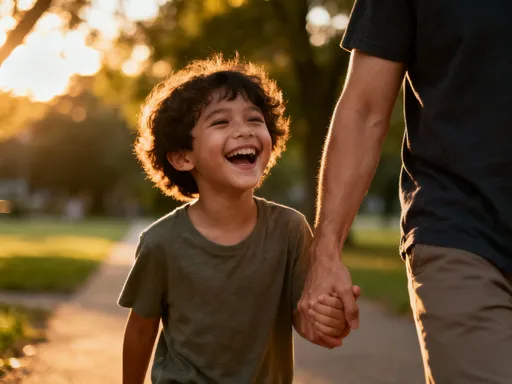
Family photos are supposed to be joyful. They’re meant to capture the way your daughter throws her head back when she laughs, the way your son proudly shows off his latest drawing, or how your partner smiles when the kids do something unexpectedly sweet. But too often, the moment we pull out the camera, the magic vanishes. The kids freeze. The mood shifts. Suddenly, it’s not about being together — it’s about performing. And no one, especially not little ones, likes being told how to feel or act in their own home.
The truth is, the problem isn’t your kids. It’s not even the camera. It’s the way we’ve been taught to use it — as a tool for documentation, not connection. We treat photo time like a task: pose, snap, move on. But what if we stopped treating photos as something to endure and started seeing them as invitations — invitations to play, to laugh, to be present? What if the camera wasn’t a divider, but a bridge?
I remember one rainy Saturday morning when I tried to capture a sweet moment: my two kids building a pillow fort in the living room. I crouched down, tapped the screen, and said, “Smile for Mama!” Instantly, the magic was gone. My daughter stopped mid-laugh. My son turned away, suddenly shy. The photo came out flat — technically fine, but emotionally empty. That’s when it hit me: I wasn’t capturing the moment. I was interrupting it.
Editing Apps Aren’t Just for Fixes — They’re Playgrounds for Connection
Here’s a secret I didn’t learn from any parenting blog or tech guide: the real joy of family photos doesn’t always happen when you press the shutter. Sometimes, it happens later — on the couch, with your child curled up beside you, swiping through filters and giggling at cartoon dog ears that pop up on everyone’s head. That’s when I realized: photo editing apps aren’t just for fixing red eyes or smoothing skin. They’re for bonding.
When I started inviting my kids into the editing process, everything shifted. Instead of hiding in my room for an hour tweaking brightness and contrast, I’d call them over and say, “Hey, want to make Grandma laugh?” We’d open a photo from the weekend — maybe one of us at the park with wind-blown hair and ice cream smeared on a cheek — and let them loose with stickers, doodles, and silly frames. My daughter loves adding sparkles and rainbows. My son prefers turning our faces into monsters or superheroes. We laugh. We talk. We remember.
And something beautiful happens in those moments: the screen stops being a wall and becomes a window. The app becomes a shared space where we co-create, not just consume. It’s not about making the photo “perfect” — it’s about making it *ours*. One evening, we edited a photo from a beach trip. My daughter added a giant jellyfish in the sky and wrote “Mama got stung!” in wobbly letters. Was it accurate? No. Was it full of joy, personality, and love? Absolutely. And that’s what we’ll remember years from now.
Think of your favorite photo app not as a tool for correction, but as a digital coloring book for your family story. When you hand your child the stylus or let them tap the screen to choose a filter, you’re not just changing pixels — you’re giving them a voice. You’re saying, “Your perspective matters. Your humor counts. This memory is yours too.” And that’s when technology stops being cold and starts feeling warm, human, alive.
The Hidden Risk: How Over-Editing Steals Authenticity (and Memories)
There’s a quiet danger in our quest for polished photos — one we don’t talk about enough. It’s not the missed shot or the blurry background. It’s the slow erasure of real life. I learned this the hard way. A few years ago, I spent weeks preparing a digital album for my parents’ anniversary. I smoothed every wrinkle, brightened every shadow, and even used a tool to “fix” my son’s crooked bangs. The final product looked flawless. But when I played it for my mom, she paused on one of the edited photos and said softly, “He looks so grown up. But I miss the little boy I remember.”
That hit me like a wave. I had tried to make the photos “better,” but in doing so, I’d stripped them of their soul. The messy hair, the gap-toothed grin, the milk dribbling down a chin after breakfast — those weren’t flaws. They were the fingerprints of childhood. They were the evidence of real, unscripted life. And by smoothing them away, I had made the images look nice but feel distant.
Over-editing doesn’t just change how we look — it can change how we see ourselves. When kids grow up seeing only retouched versions of their family, they start to believe that real life isn’t good enough. They absorb the message that only the “fixed” version is worth sharing. And that’s a heavy burden to carry, especially for young minds still learning who they are.
So now, I make a point to save two versions: one lightly edited for sharing, and one untouched — the one where the dog is photobombing, the baby is mid-sneeze, and someone is clearly making a funny face behind the camera. I call these our “real life” photos, and we look at them together often. They’re not the ones I’d post online, but they’re the ones we laugh at, point to, and say, “Remember when?”
Technology gives us incredible power to enhance, but it also asks us a question: what are we willing to lose in the name of perfection? The answer, I’ve learned, is connection. Authenticity. The messy, beautiful truth of being a family.
From Viewer to Co-Creator: Giving Kids Control (and Confidence)
One of the most powerful things we can give our children isn’t more stuff, more screen time, or even more praise — it’s ownership. And when it comes to family photos, that means letting them step out of the frame and into the driver’s seat. I’ll never forget the first time I handed my daughter the tablet and said, “You pick which ones we keep.” She sat quietly, swiping through dozens of shots from our weekend hike. She didn’t choose the one where she was smiling perfectly. She picked the one where she was balancing on a rock, tongue out in concentration, hair wild in the wind.
“This one,” she said. “I was being brave.”
In that moment, I realized something profound: photos aren’t just about how we look. They’re about how we *feel*. And when we let kids choose, edit, and even narrate their own images, we’re not just preserving memories — we’re building confidence. We’re saying, “Your story matters. Your voice counts. You get to decide what’s important.”
Now, our photo routine includes a “story time” step. After we edit a few pictures together, I ask, “What was happening here?” My son once described a photo of us baking cookies as “the day I got to crack the egg and it didn’t break on the counter!” My daughter called a park photo “the day I learned to swing all by myself and didn’t need Mama to push.” These aren’t just captions — they’re personal histories, told in their own words.
And the benefits go beyond sentiment. Letting kids engage with photo apps builds real skills: decision-making, creativity, digital literacy, and emotional expression. They learn to evaluate, to experiment, to take pride in their work. One shy afternoon, my daughter showed her edited photo album to her grandparents over video call. She walked them through each image, explaining her choices. I watched her sit a little taller, speak a little clearer. That wasn’t just a slideshow — it was a milestone.
When we hand over control, even in small ways, we’re not losing authority — we’re building trust. We’re showing our kids that their perspective is valued, that their memories are worth keeping, and that they are full participants in the story of our family.
Setting Boundaries That Protect Privacy and Peace of Mind
Let’s talk about something we don’t always want to face: the photos we share — and the ones we don’t. In a world where a single post can travel across continents in minutes, it’s more important than ever to be thoughtful about what we put online. I used to share everything — the first steps, the messy meals, the hilarious tantrums. But then a friend gently asked, “Have you talked to your kids about what it means when these photos live on the internet?” I hadn’t. And that conversation changed everything.
Now, before we share anything, we have a little family rule: “If you’re in it, you get a say.” It’s not about control — it’s about respect. We use photo apps that let us create private, password-protected albums for extended family. We talk about digital footprints in simple terms: “Once a photo is out there, we can’t take it back, so let’s make sure it’s something we’re happy with.”
One night, we were going through photos from a school play. My son wanted to share one where he was wearing a banana costume and clearly embarrassed. “People will laugh,” he said. “But will they laugh *with* you or *at* you?” I asked. He thought for a moment, then said, “Maybe just Grandma and Auntie.” So that’s who we shared it with — a small, safe circle.
Privacy isn’t about fear. It’s about care. It’s about teaching our kids that their dignity matters, that their boundaries count, and that some moments are too special — or too personal — to be public. By modeling mindful sharing, we’re not just protecting them — we’re raising digitally aware humans who understand that their online presence is part of their identity.
And here’s the bonus: when we keep some photos private, they feel more precious. The ones that stay in the family-only album become treasures — not because they’re perfect, but because they’re intimate. They’re ours. And that makes them worth protecting.
Building a Ritual: Turning Photo Time into Family Time
Life moves fast. One day your child is taking their first steps; the next, they’re packing a backpack for school. It’s easy to feel like you’re constantly chasing time, trying to hold onto moments that slip through your fingers like sand. But here’s what I’ve learned: you don’t have to capture every second to honor them. You just have to create space for a few on purpose.
That’s why we started “Photo Play Night” — every Sunday evening, after dinner, we gather on the couch with our tablet. We look back at the week’s photos, pick a few favorites, and edit them together. Sometimes we add music, turn them into a mini slideshow, and watch it like a movie. Other times, we print one and add it to our handmade family album — a big scrapbook filled with photos, ticket stubs, and little notes from the kids.
It’s not fancy. It’s not perfect. But it’s ours. And over time, this simple ritual has become something more: a weekly pause, a moment of connection, a way to say, “We were here. We did this. We mattered.”
These moments don’t just preserve memories — they create them. The laughter over a silly filter, the pride in a child’s edited masterpiece, the quiet “I love this one” whispered as a favorite photo appears — these are the threads that weave our family story together. And unlike a single snapshot, a ritual grows richer with time.
You don’t need expensive gear or professional skills. You just need intention. Pick a time, a day, a corner of the couch. Invite your kids in. Let them lead. Make it playful. Make it yours. Because the most powerful photos aren’t the ones that look perfect — they’re the ones that feel like home.
The Bigger Picture: Capturing More Than Faces — Preserving Feeling
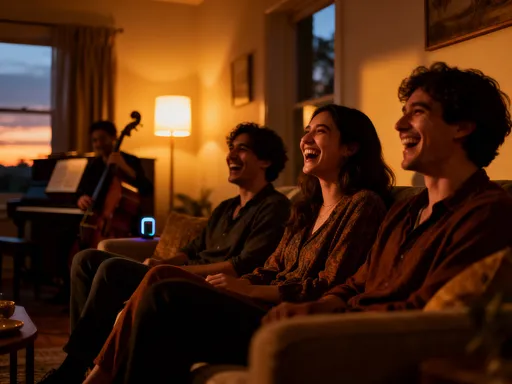
At the end of the day, it’s not about the likes, the frames, or the perfectly curated grid. It’s about the feeling in the room when your child leans into your shoulder and says, “Can we watch our photos again?” It’s about the way your partner smiles when they see that one shot — the unposed one, the real one — where everyone is laughing at something that happened just before the click.
Technology will keep evolving. Cameras will get sharper, apps will get smarter, and filters will get flashier. But what we’re really trying to preserve isn’t pixels — it’s presence. It’s the way love sounds, looks, and feels in the everyday moments we often overlook.
The most powerful edit we can make isn’t with a slider or a brush. It’s the choice to put the camera down sometimes — and then, later, to pick it up together. It’s choosing connection over perfection, joy over polish, and real life over a flawless facade.
So the next time you reach for your phone, don’t just take a photo. Invite someone in. Say, “Come see this.” Or better yet, “You take it.” Let the mess stay. Let the laughter be loud. Let the moment breathe.
Because the truth is, the best family photos aren’t the ones that look perfect. They’re the ones that remind us we belonged — to each other, to that moment, to a life that was beautifully, wonderfully, imperfectly ours.