From Fumbling Keys to Effortless Entry: How Smart Locks Gave Me Back My Peace of Mind
Imagine rushing home with grocery bags, one child on your hip, the other calling for help with homework—only to realize you’ve locked yourself out. Again. I used to live that chaos. Then I installed a smart door lock. It didn’t just open my front door; it unlocked a calmer, more organized life. No more lost keys, no more anxiety. Just smooth, quiet control. This small change brought lasting relief—and it can for you too.
The Daily Struggle: When Simple Things Feel Overwhelming
Let’s be honest—life doesn’t slow down, especially when you’re managing a household. Between school runs, work deadlines, and trying to keep up with laundry that never ends, the last thing you need is another thing to go wrong. For years, that thing was my front door. More times than I can count, I stood outside, one hand balancing a toddler, the other digging through a bottomless bag, searching for keys I knew I’d just had. And when I finally found them? They’d slip out again, clinking onto the sidewalk as I juggled groceries. It wasn’t just inconvenient—it was emotionally exhausting. Every lost key, every lockout, added a tiny layer of stress that built up over time, like a slow leak in a tire you keep driving on.
There was the time I locked myself out while waiting for the dog walker. The time my daughter forgot her science project, and I had to rush back home only to realize—keys still in the ignition. And don’t even get me started on the panic of wondering if I’d locked the door after bedtime stories and lights-out routines. My front door, meant to be a source of safety, had become a daily source of frustration. I started asking myself: why should something as basic as entering my own home feel like a test I was failing? That’s when I realized—maybe the problem wasn’t me. Maybe it was the 100-year-old lock technology I was still relying on.
I wasn’t careless. I was just human. And the more I thought about it, the more I saw how outdated the whole key system felt. We use smartphones to track our steps, order dinner, and even monitor our sleep—why were we still depending on tiny metal pieces that vanish the moment we need them most? That question started something small but powerful: a shift in mindset. What if my home could work with me, instead of against me? What if security didn’t have to mean sacrifice—of time, of calm, of peace of mind?
Discovering Smart Locks: More Than Just a Gadget
I first heard about smart locks at a coffee meetup with a friend who casually said, ‘I haven’t carried keys in two years.’ My first thought? ‘That sounds risky.’ My second? ‘And kind of amazing.’ I admit, I was skeptical. Was this just another tech trend for early adopters and gadget lovers? But the more I looked into it, the more I realized this wasn’t about flashy tech—it was about practical, everyday relief. Real people, mostly moms and busy professionals like me, were using smart locks to reduce friction in their lives. Not because they wanted to show off, but because they were tired—tired of the little things that drain energy.
Smart locks aren’t magic, but they do something simple and powerful: they replace physical keys with access methods that actually fit how we live now. You can unlock your door with a PIN code, a fingerprint, or even your phone—no metal key required. Some models even recognize your face through a secure app. I know that sounds futuristic, but it’s real, and it’s been around for a while. The best part? You don’t need to rebuild your door or spend a fortune. Most smart locks are designed to replace your existing deadbolt, so installation is straightforward. And the security? It’s not weaker—it’s smarter. These locks use encryption technology similar to what protects your online banking. That means your front door is guarded by something far more reliable than a piece of metal that can be copied or lost.
I spent a few weeks reading reviews, watching videos, and even asking around in online parenting groups. What I found surprised me. So many women—just like me—shared stories of how a smart lock had quietly transformed their routines. No more hiding keys under mats for babysitters. No more calling a neighbor in a panic. One mom said she could finally relax during school drop-off because she didn’t have to worry about forgetting to lock the door. Another said her elderly mother could visit without struggling with stiff keys. These weren’t luxury upgrades—they were solutions to real, daily struggles. That’s when I knew: this wasn’t just about convenience. It was about dignity, independence, and reclaiming a little control in a world that often feels out of balance.
Making the Switch: A Small Step with Big Impact
I’ll admit, I hesitated before pulling the trigger. What if it didn’t work? What if it was too complicated? What if I regretted it? But I reminded myself: I’d already lost more time and peace to lockouts than I cared to admit. So I picked a well-reviewed model that worked with my existing door hardware and ordered it online. When it arrived, I opened the box with a mix of excitement and nerves. But the instructions were clear, and with just a screwdriver and about 45 minutes, I had it installed. No electrician, no contractor, no stress. It felt like putting together a piece of furniture—doable, satisfying, and surprisingly empowering.
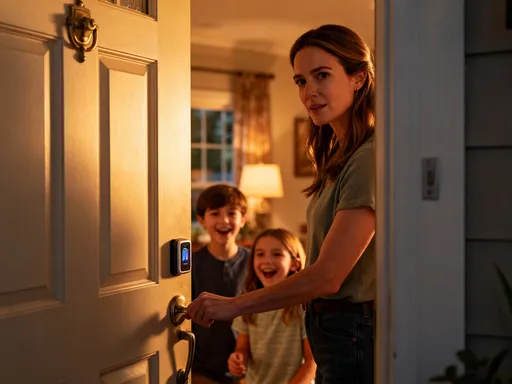
The real moment of truth came that evening. I walked up to my front door with both hands full—dinner in one, my toddler’s backpack in the other. Instead of setting everything down to search for keys, I simply pressed my thumb to the sensor. A soft beep, a quiet click, and the door opened. That’s it. No fumbling. No frustration. No drama. Just entry. I stood there for a second, almost stunned. It felt like magic, but it wasn’t. It was just good design meeting real life. And in that moment, something shifted. I didn’t just feel relief—I felt capable. Like I had finally given myself a tool that actually made my job as a homemaker a little easier.
The next few days were full of small wins. I let my partner in while he was carrying groceries. I let the dog walker in without having to wake up early. I even let myself in after a late night at a school event, no need to wake the kids by jiggling a key in the lock. Each time, the same quiet satisfaction: this is how it should feel. Secure, smooth, and seamless. I realized I wasn’t just changing my lock—I was changing my relationship with my home. It wasn’t a fortress I had to fight to enter. It was a space that welcomed me, every time.
Long-Term Wins: How Months of Use Changed My Routine
At first, I thought the biggest benefit would be not losing keys. And yes, that alone was life-changing. But as weeks turned into months, I started noticing deeper changes in how I managed my home and my time. One of the most powerful features? Temporary access codes. When my sister came to house-sit while we visited family, I didn’t have to mail her a key or hide one outside. I created a code that worked only during her stay. Once she left, it expired automatically. No follow-up, no risk, no stress. The same goes for repair people. The plumber came last month, and I gave him a one-time code. I didn’t have to rearrange my schedule or worry about him waiting outside. I could grant access from my phone, no matter where I was.
Another game-changer: real-time notifications. My smart lock sends me a quick alert when the door is unlocked or locked. I know when my kids get home from school. I know if the dog walker came and went. And if the door is left unlocked, I get a reminder—so I can fix it from my phone, even if I’m at the grocery store. This isn’t about surveillance. It’s about awareness. It’s the difference between wondering and knowing. And that small shift makes a huge emotional difference. I don’t have to call my teenager five times to ask if she locked up. I don’t have to lie awake wondering if I remembered to secure the door after bedtime. The system handles it, and I get peace in return.
I’ve also noticed I’m more relaxed when I travel. Before, I’d spend the first day of vacation replaying my departure in my head: Did I lock the door? Did I turn off the stove? Now, I can check the lock status from my phone. If I forgot, I can lock it remotely. That kind of control doesn’t just save time—it saves mental energy. And as any busy woman knows, mental energy is our most precious resource. We don’t need more tasks. We need fewer things to worry about. The smart lock didn’t just upgrade my door—it upgraded my ability to breathe.
Building Trust: Security That Feels Invisible
Of course, I had concerns at first. What if someone hacks the lock? What if the battery dies and I’m locked out? What if it stops working in the middle of the night? These weren’t silly fears—they were real questions. But the more I learned, the more I realized modern smart locks are designed with these exact concerns in mind. Most don’t rely on Wi-Fi to function. Instead, they use local Bluetooth or Z-Wave connections, which means they can’t be accessed remotely by hackers unless they’re right at your door. That’s a huge difference from what most people assume.
And yes, they run on batteries—but they’re smart about it. My lock sends me a warning when the battery is low, usually weeks before it dies. I’ve never been caught off guard. Plus, there’s a backup: I can use a traditional key if needed, or charge the lock temporarily with a portable battery held to the front panel. It’s like having an insurance policy you never have to use. As for hacking, the truth is, your front door is more likely to be broken into with a crowbar than a computer. And a smart lock logs every access attempt, so if something unusual happens, I’ll know.
The real win here is how invisible the security has become. I don’t think about it every day. I don’t stress over it. It just works. And that’s the point—true security shouldn’t demand constant attention. It should be quiet, reliable, and always there. Like a good friend who watches your back without making a fuss. That’s what I’ve found with my smart lock. It’s not flashy. It doesn’t brag. But it’s always doing its job, so I can focus on mine.
Connecting Family Life: Shared Access, Shared Peace
One of the most beautiful side effects of switching to a smart lock has been how it’s brought our family closer—together, not just under one roof, but in how we care for each other. We set up personalized access for everyone. My husband uses a four-digit PIN he can type in quickly, even with his hands full. Our teenage daughter uses facial recognition through the app—she just holds her phone up, and the door unlocks. I still use my fingerprint, which feels fast and secure. It’s not just about who gets in—it’s about knowing we’re all safe.
When my son gets home from soccer practice, I get a quiet notification. No need to text him to check in. No need to interrupt his wind-down time. I just see that he’s home, and my heart settles. It’s a small thing, but it means everything. During a recent snowstorm, our power flickered, and my elderly neighbor needed help. I was able to unlock the door remotely for the delivery guy bringing her groceries—no need for her to brave the icy steps. In moments like that, the smart lock isn’t just a tool. It’s an extension of our care.
We’ve also created a routine around it. The kids know to check the app to make sure the door is locked before bedtime. It’s become part of our family rhythm—like brushing teeth or setting the alarm. And because they’re involved, they feel more responsible. It’s not me nagging them to lock up. It’s them taking pride in keeping our home safe. That sense of shared responsibility? That’s worth more than any gadget.
A Smarter Home, A Calmer Mind: The Ripple Effect of One Change
Here’s what surprised me most: the smart lock didn’t just change how I enter my home. It changed how I think about it. After seeing how one small tech upgrade could bring so much peace, I started looking at other areas of my life where I could simplify. I added smart lights that turn on at dusk—no more walking into a dark house after a long day. I got a thermostat that learns our schedule and adjusts the temperature automatically. I even set up a smart speaker to play calming music in the mornings. But the smart lock remains the foundation. It was the first step, and it set the tone for everything else.
Because here’s the truth: technology isn’t the enemy of a warm, loving home. Used wisely, it’s the quiet helper that makes space for what matters. It doesn’t replace love, care, or connection. It protects the time and energy we need to give them. I’m not chasing keys anymore. I’m not lying awake with worry. I’m not adding mental load to an already full plate. Instead, I’m present. I’m calm. I’m at home—fully, peacefully, and without hassle.
If you’re standing where I once stood—juggling too much, stressed by the small things, wondering if you’re doing enough—let me tell you: you don’t have to keep proving your strength by enduring the chaos. Sometimes, strength looks like making a smart choice. It looks like saying yes to a tool that gives you back time, energy, and peace. A smart lock won’t solve every problem. But it can solve one. And sometimes, solving one small thing is enough to change everything else. Your home should welcome you. It should protect you. And it should make your life easier—not harder. With a smart lock, mine finally does.