What if your shopping habits could quietly help you grow without costing more?
Imagine opening your favorite store’s app and seeing not just deals, but gentle nudges that align with your goals—eating healthier, saving for a trip, or finally organizing your home. These aren’t random sales alerts. They’re personalized, almost thoughtful prompts that feel less like marketing and more like support. What if every discount you tapped didn’t just save money, but also moved you forward? It sounds too good to be true, doesn’t it? But what if the tools we already use every day—our shopping apps, our grocery lists, our saved wish lists—could become quiet allies in becoming the person we want to be?
The Daily Grind of Modern Shopping
We’ve all been there—standing in the kitchen at midnight, phone in hand, scrolling through endless product pages, chasing that fleeting sense of satisfaction. You click “buy” on something you don’t really need, telling yourself it’s a deal, it’s a treat, it’s just $12.99. But the next morning, that little high is gone, and all that’s left is a cluttered closet, a heavier cart, and a quiet voice asking, “Why do I keep doing this?”
Shopping used to feel fun. It was a weekend outing, a reward, a way to refresh your space or wardrobe. But now? It feels like work. We’re bombarded with “limited-time offers,” “flash sales,” and “buy one, get one free” deals that don’t feel freeing at all. In fact, they often leave us more overwhelmed, more stressed, and further from the life we’re trying to build.
And let’s be honest—many of us have goals. Maybe it’s eating better, saving more, decluttering the house, or finally starting that hobby we’ve talked about for years. But our shopping habits don’t seem to line up with those intentions. We buy the salad dressing labeled “light” but also the cookies “because they were on sale.” We sign up for a fitness challenge and then scroll past workout gear ads like they’re background noise. The problem isn’t that we lack willpower. The problem is that our tools aren’t designed to help us grow. They’re designed to sell us things—fast, often, and in bulk.
Traditional discount apps shout about savings without context. “50% off everything!” they cry, whether you need it or not. There’s no awareness of your goals, your rhythm, or your real life. It’s like having a personal trainer who only talks about protein shakes while you’re trying to learn how to meditate. Helpful? Not really. But what if it didn’t have to be this way?
A New Kind of Discount: Aligned with Your Goals
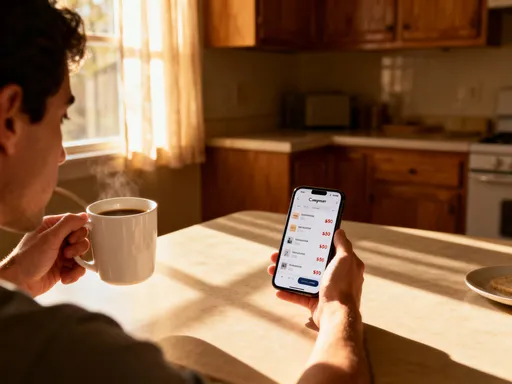
What if your shopping app didn’t just know what you’ve bought before—but also what you’re trying to become? That’s the idea behind a new wave of technology: progress-tracking discount apps. These aren’t just about saving money. They’re about using savings as a tool for growth. Imagine opening your grocery app and seeing a notification: “You’ve logged five healthy meals this week—here’s 20% off fresh berries to keep the momentum going.” Or getting a gentle nudge: “You’ve been walking more—how about 15% off those supportive sneakers you’ve had in your cart?”
These aren’t random deals. They’re tied to your actual behavior. The app notices that you’ve been logging morning walks, drinking more water, or adding more veggies to your meals. Instead of bombarding you with irrelevant sales, it offers discounts that support the direction you’re already moving. It’s like having a kind friend who sees your effort and says, “Hey, I noticed you’re doing great—here’s a little help to keep going.”
The magic isn’t in the discount itself. It’s in the timing and the message. When a deal feels like a reward for effort, not a temptation to overspend, it changes the whole experience. You’re not being pulled into impulse buys. You’re being encouraged to keep going. And over time, those small, aligned choices add up—not just in savings, but in confidence.
Think about it: how often do we give up on goals because they feel too hard, too lonely, or too slow? We start strong, but without feedback, without little wins, it’s easy to lose steam. But what if every time you made a good choice, the world gave you a quiet “yes”? That’s what these systems aim to do. They don’t replace discipline. They support it. They don’t judge you for skipping a day. They celebrate you for showing up.
How Technology Knows What You Need
You might be wondering—how does this even work? Is it reading my mind? Is it tracking my every move? The truth is simpler, and honestly, more reassuring. These apps don’t rely on complex AI or mysterious algorithms. They use basic pattern recognition—like a smart notebook that learns your rhythm.
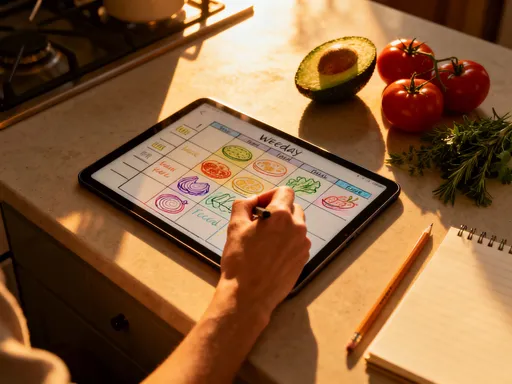
Let’s say you mark “eat more vegetables” as a goal in your grocery app. You start logging your meals—simple checkmarks, really. “Had a salad for lunch.” “Added spinach to the pasta.” The app doesn’t need a full diary. It just needs a few data points. Over time, it notices a trend: you’re making an effort. So when the store gets a shipment of organic greens, it sends you a discount. Not to everyone. Just to you—because you’ve shown interest.
Or imagine you’ve set a savings goal: “$1,000 for a family weekend trip by summer.” The app sees that goal. When you open it, instead of showing flashy deals on things you don’t need, it might highlight budget-friendly picnic supplies or pause non-essential promotions altogether. It’s not limiting your freedom. It’s helping you stay focused.
The key is that the technology doesn’t judge. It doesn’t shame you for buying ice cream last week. It just quietly mirrors your intentions. If you’re trying to cook more at home, it suggests recipe ingredients on sale. If you’ve been logging DIY projects, it offers discounts on tools or paint. It’s not about perfection. It’s about progress. And the more you use it, the more it learns—like a friend who gets you a little better each time you talk.
And here’s the best part: you’re in control. You decide what goals to set, what habits to track, and what kind of support you want. No pressure. No guilt. Just gentle, timely nudges that make it easier to do the things you already want to do.
Real-Life Impact: Small Savings, Big Shifts
Let’s meet Sarah. She’s a middle school teacher, a mom of two, and someone who’s always dreamed of having a little garden shed—her own quiet space to paint and store her supplies. But every time she thought about starting, the cost felt overwhelming. Tools, lumber, paint, a workbench—it all added up. And every time she opened her shopping app, she was hit with deals on things she didn’t need: scented candles, kitchen gadgets, cozy throws.
Then she discovered a new grocery and home improvement app that let her set goals. She typed in: “Build my garden shed by fall.” She started small—watching a few DIY videos, sketching a design, buying one tool at a time. The app noticed. After she logged her first project (a simple shelf), she got a notification: “Great start! 20% off all hand tools this week.” It felt like encouragement. The next month, after she saved a Pinterest board of shed ideas, she got a deal on weather-resistant wood.
Each purchase felt different. It wasn’t shopping for the sake of shopping. It was progress. And the discounts? They didn’t feel like sales. They felt like rewards. By the end of the season, Sarah didn’t just have a shed. She had confidence. She had proven to herself that she could start something and see it through. And it all began with a simple app that noticed her effort.
Then there’s James. He lives alone, works from home, and has been trying to cut down on food waste. He’d buy fresh herbs, use a little, and forget the rest. He’d buy spinach, remember it two weeks later, sad and wilted in the fridge. He felt bad about the waste, but didn’t know how to change.
He started using a grocery app that lets him mark recipes he plans to cook. He added “pasta with garlic and herbs” and “spinach and feta omelet” to his weekly list. The app noticed the ingredients he kept buying but not using. So when the store had a sale on small herb pots and reusable produce bags, it sent him a deal. Not a blast to everyone. Just to him. He bought the herb pot, grew his own basil, and finally stopped throwing things away.
These aren’t dramatic transformations. There’s no viral before-and-after photo. But they’re real. They’re sustainable. And they’re built on small, consistent wins that add up over time. That’s the power of technology that understands not just what you buy—but why.
Making It Work for You: Simple Steps to Start
You don’t need to overhaul your life to make this work. In fact, the best way to start is with one small goal. Just one. Pick something that matters to you—whether it’s saving $500 for a new couch, cooking three homemade meals a week, or finally organizing the garage.
Next, choose a shopping or grocery app that lets you set interests or track simple habits. Some popular ones include major retailers’ apps or meal-planning platforms that offer personalized deals. Look for features like “goal setting,” “habit tracking,” or “personalized offers.” You don’t need anything fancy. Just something that lets you say, “This is what I’m working on.”
Then, turn on notifications. This is where the magic starts. At first, the suggestions might feel a little off—maybe you get a deal on running shoes when you’re focused on cooking. That’s okay. The system is learning. Keep using the app. Log your meals, mark your progress, save your recipes. Over time, it will get better at recognizing your patterns.
Here’s a tip: don’t overthink it. You don’t need to track every bite or log every dollar. Just do your best. Maybe you remember to check in three times a week. That’s enough. The app will still pick up on trends. And within a few weeks, you’ll start to notice something: the deals feel different. They show up at the right time. They’re for things you actually want. And sometimes, they make you smile—like a little “I see you” from the digital world.
The key isn’t perfection. It’s consistency. It’s showing up, even in small ways. And each time you do, you’re teaching the technology to support you better. It’s not about becoming someone else. It’s about becoming more of who you already are.
Why This Feels Different from Other Apps
We’ve all tried apps that demand a lot. Budgeting tools that want every receipt. Fitness trackers that guilt-trip us for missing a step. Meditation apps that remind us we haven’t logged in for three days. They mean well, but they can feel like another chore on the list.
What’s different about these new shopping tools is that they meet you where you already are. You’re already shopping. You’re already making choices. These apps don’t ask you to do more. They just make the choices you’re already making more meaningful.
There’s no pressure to be perfect. No dashboard full of red X’s. No daily reminders that you “failed.” Instead, there are quiet moments of encouragement. A discount on oats when you’ve been eating breakfast at home. A deal on art supplies after you save a painting tutorial. These aren’t punishments or rewards in the old sense. They’re acknowledgments. They say, “I see what you’re trying to do. I’m here to help.”
And over time, something shifts. You start to see yourself differently. You’re not just a shopper. You’re someone who cooks, who saves, who creates, who grows. Your purchases become expressions of your values. And the money you save? It’s not just in your bank account. It’s in your sense of self.
That’s the quiet power of this technology. It doesn’t shout. It doesn’t push. It supports. And in a world that often feels too loud, too fast, too demanding, that kind of quiet support can make all the difference.
Looking Ahead: Technology That Grows with You
The future of shopping isn’t about smarter ads. It’s about smarter support. Imagine a time when your app notices you’ve been ordering more tea than coffee—maybe you’re trying to cut back on caffeine. It responds with a deal on a calming herbal blend. Or when you’ve been staying home more, logging more movie nights, it suggests a discount on indoor plants to freshen up your space.
Imagine your app recognizing a stressful month—maybe you’ve been buying more comfort food, skipping workouts. Instead of pushing energy drinks, it offers a deal on a journal, a cozy blanket, or a guided meditation subscription. Not because it’s selling self-care. But because it’s learned that you value balance.
Technology, at its best, shouldn’t distract us from our lives. It should deepen them. It should help us become more aware, more intentional, more kind to ourselves. And sometimes, the simplest nudge—a timely discount, a thoughtful suggestion—can feel like a step forward.
We don’t need to be perfect. We don’t need to do everything at once. We just need to start. With one goal. One small choice. One app that sees us a little more clearly. Because growth isn’t always loud. Sometimes, it’s quiet. It’s a salad kit on sale. A tool you actually use. A moment when you realize—you’re becoming the person you always hoped to be.
And it all began with a discount that felt like a friend saying, “I believe in you.”